The rebrand is an effort to move away from undesirable associations with Amsterdam’s red light district and the country’s famous cannabis cafes and to encourage exports and tourism.
The foreign affairs spokeswoman said the rebrand would modernise the image of the Netherlands to present it as an “open, inventive and inclusive” country.
Up to 42 million people are expected to visit the Netherlands every year by 2030, an increase from the 18 million visitors last year.
The new approach, it is hoped, will encourage tourists to visit other areas of the country than just Amsterdam.
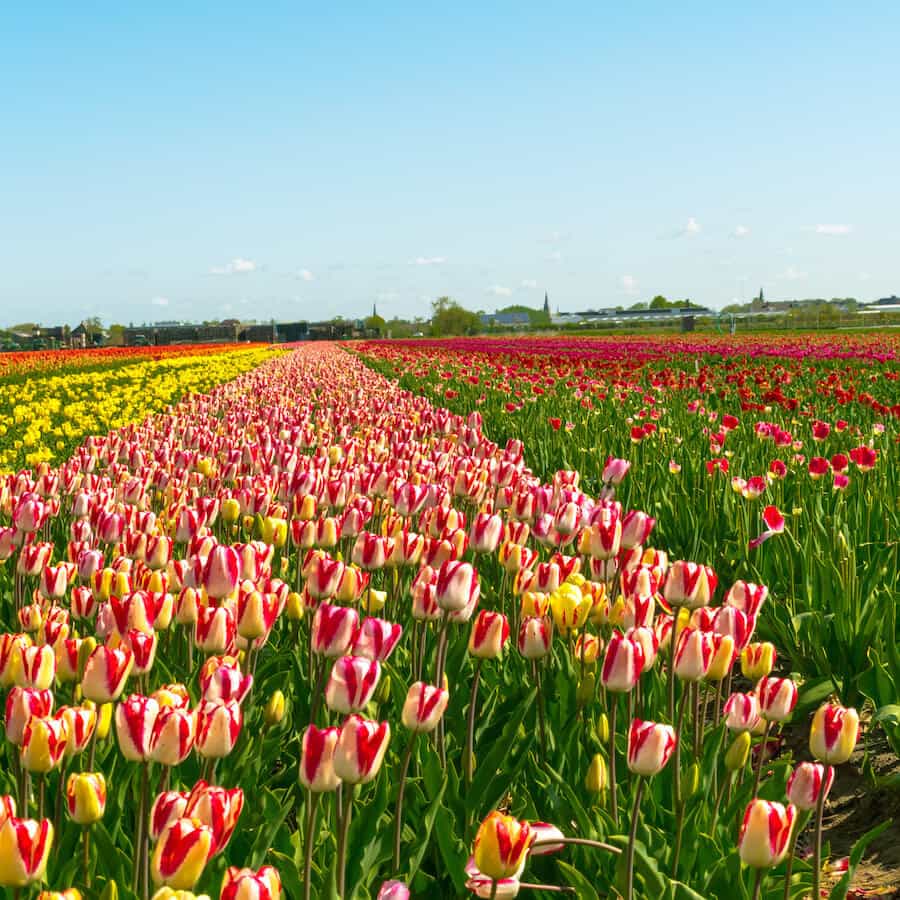
In case you haven’t read, everywhere is Amsterdam. You can visit the Amsterdam beach aka Zandvoort aan Zee (a cute seaside resort outside of Haarlem), the Amsterdam castle aka Muiderslot (a castle in the town of Muiden), and the Amsterdam tulip fields aka the tulip fields near Lisse.
At the rate that the branding has renamed the nearby destinations, everything within 150 kilometers of Amsterdam (which includes most of the Netherlands) will become Amsterdam.
I wrote this today as I saw a new tour that hopes to to rename Friesland, a province of the Netherlands over 150 kilometers from Amsterdam with their own language, part of the “Amsterdam Lake District.”
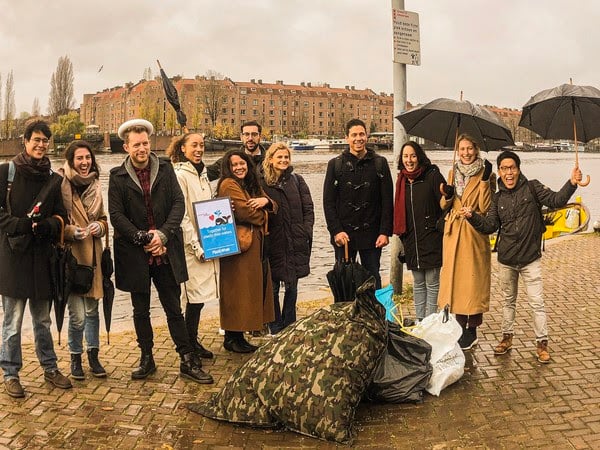
A three-person line of defence along one side of the boat seems to work best, our nets semi-submerged and poised to entrap passing flotsam. We – two boat-loads of eco-conscious visitors – are cruising the Amsterdam canals on a plastic fishing trip with Plastic Whale, clearing the greasy waters of rubbish, while taking in the beauty and history of the city thanks to our knowledgeable skippers.
Ushering visitors away from the centre and introducing them to new neighbourhoods is a key part of making tourism more sustainable here and one of the targets of the municipality’s City in Balance policy (2018-2022).
This year, the Dutch tourist board decided to stop actively promoting the Netherlands as a destination, over fears that its cities and attractions were too crowded (the Keukenholf tulip bulb garden is all but inaccessible). Pretty Amsterdam, with around 1 million residents, is swarmed with 17 times that many tourists each year, all keen to see sights such as the canals, Anne Frank’s house and the majestic Rijksmuseum.
If you do decide to visit regardless, there are ways to be responsible. Campaign group Untourist Amsterdam runs a number of offbeat activities in the city, designed to bring tourists and residents together – with one initiative being to “marry” an Amsterdammer for the day.
The benefits of urban sustainable tourism are numerous. Often cities are hubs for other areas so can be less carbon intensive. Compared to many rural areas, public transportation is easier and more plentiful.
In Europe, it is the city of Amsterdam that boasts the first LEED Platinum hotel – the Hotel Amstelkwartier.
So what can you, the traveller do? Asking is the most important.
Do they support local causes and community conservation efforts?
Do they try to educate guests to be environmentally and socially conscious?