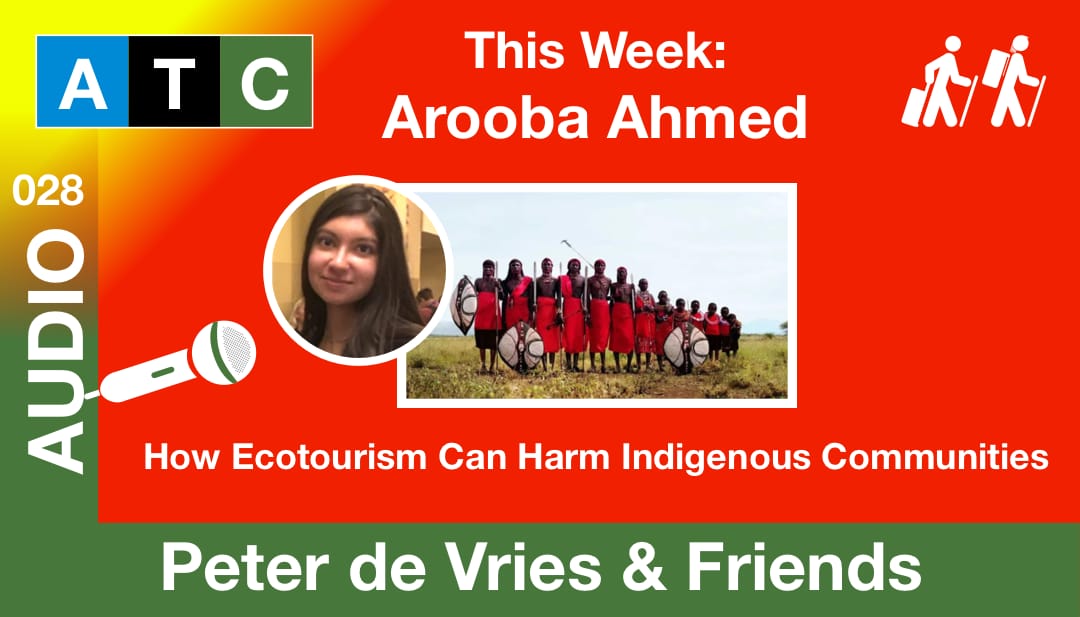
“This tourist-centered ecotourism experience can also be found in Kenya, where the economy is driven by tourist dollars.
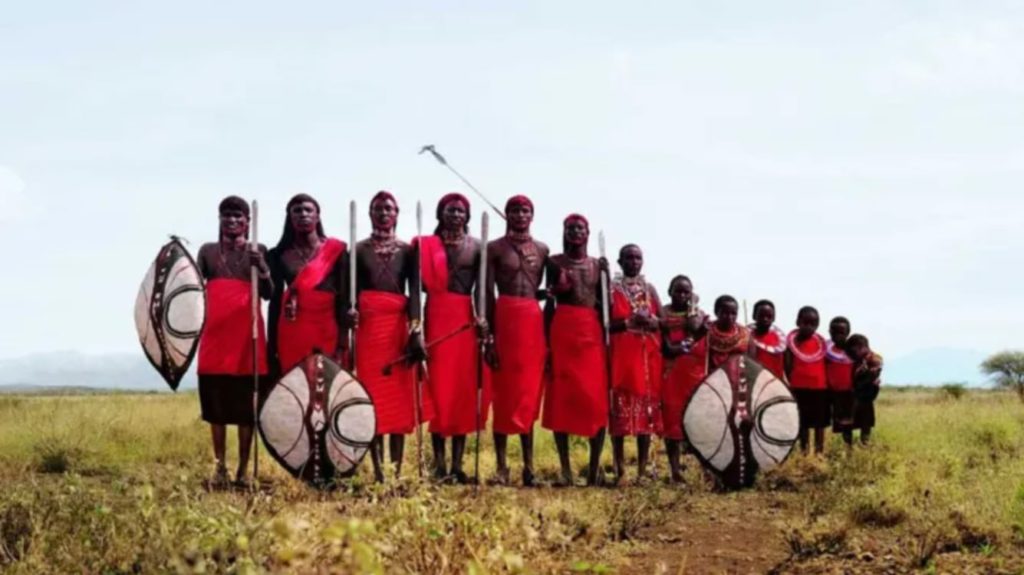
Seventy percent of the nation’s tourist parks are located on indigenous Maasai land, and images of the Maasai warriors are often used in international advertising campaigns.
The Maasai receive no financial benefits from this industry, and other communities receive very little, if at all any. Beyond this, the stereotypical representation of this indigenous community is completely regressive.
The Maasai people have begun to incorporate business and commerce into their lives, and the depiction of them solely as warriors is not nearly the full picture of a group that has a wealth of other practices and traditions.”
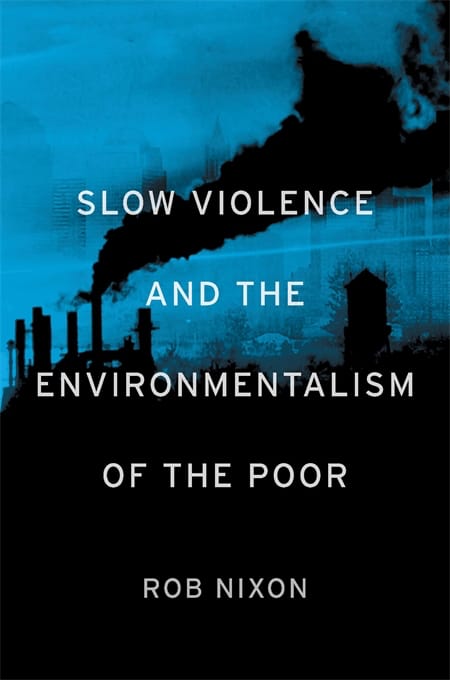
Rob Nixon, in his 2011 book goes into depth on this issue and comments on game lodges (spaces where mainly Western tourists come to stay during tours).
He argues that they have created an environment that is detached from the rest of the world by denying the existence of modernity.
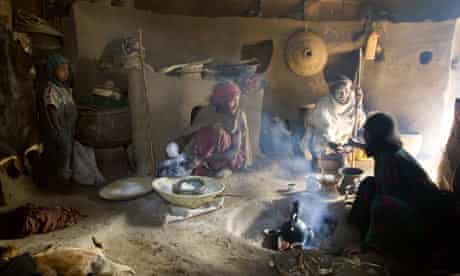
Community projects: From walking in the ancient Ethiopian highlands to meeting remote tribes in the Amazon: the travel companies who run sensitive trips that support indigenous lifestyles
Finca Esperanza Verde, Nicaragua
Owned by a non-profit organisation and run by volunteers based in North Carolina, the lodge is powered by renewable energy sources (solar and hydro-electric), and 10% of its income is invested in rural water projects and local schools.