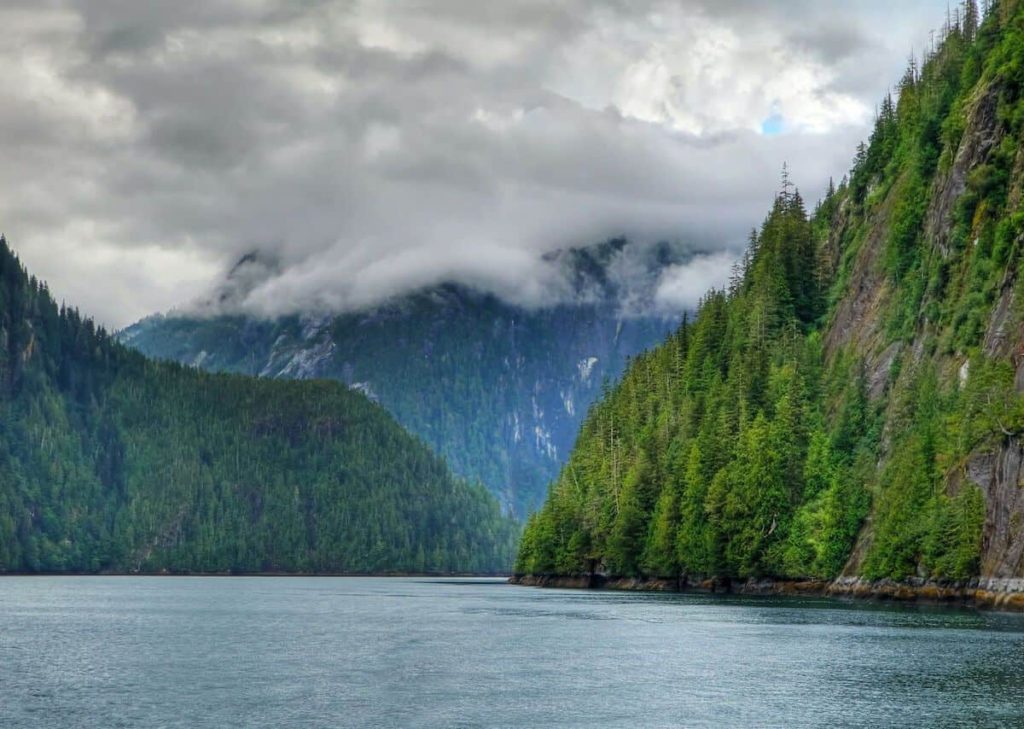
The Trump administration is rolling back key environmental protections, allowing logging companies to build roads through more than nine million acres of Alaska’s untouched wilderness.
Starting Thursday, it will be legal for loggers to cut and remove timber throughout the Tongass National Forest, which covers much of southeast Alaska.
The world has looked on in horror as the pace of the Amazon’s destruction has accelerated, even as we know that we need its trees to combat climate change and as scientists warn that the Amazon may soon cease to be a rainforest at all.
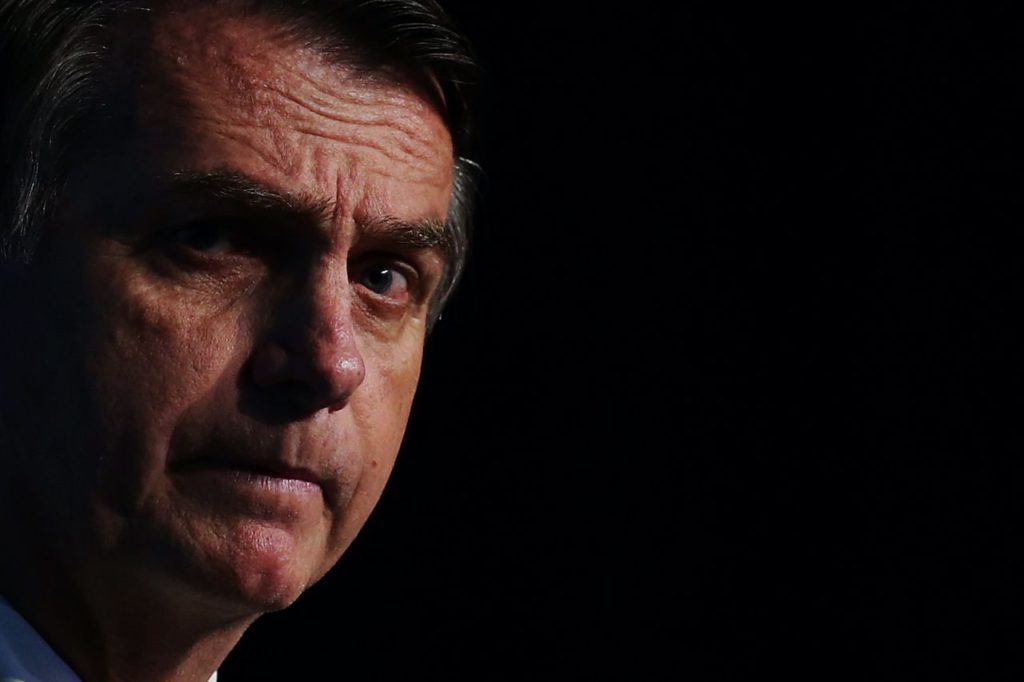
Yet Brazil’s president Jair Bolsonaro — whom we have called a threat to the planet — appears unmoved by any scientific arguments at all.
By taking an anti-environmental stance, Bolsonaro has assured the loyalty and financial backing of powerful economic actors who stand to benefit enormously and who know their harmful activities would be impossible under a different, green-thinking president.
Reducing tropical deforestation and limiting the wildlife trade might be cost-effective ways of stopping pandemics before they start, a new analysis finds.
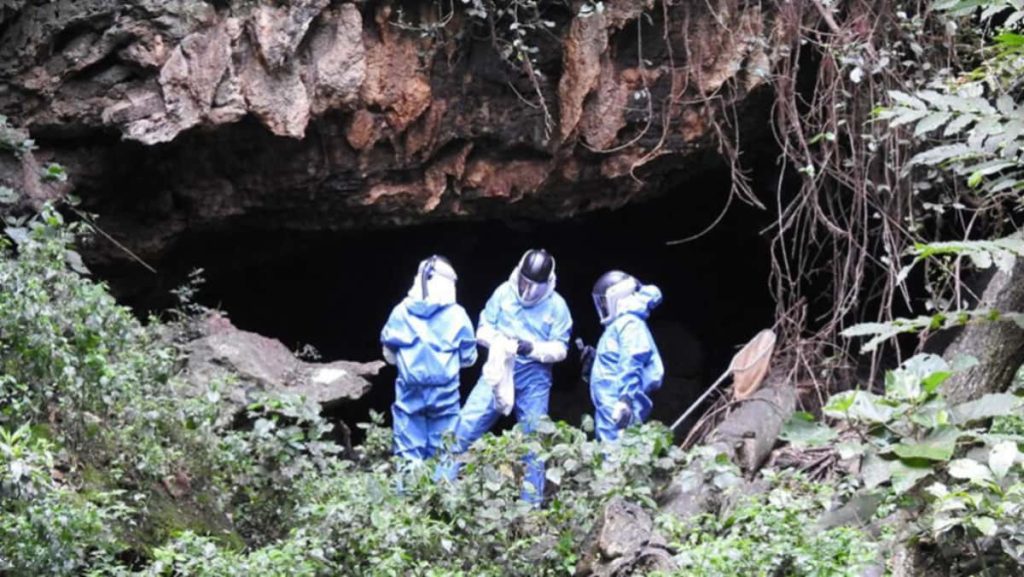
About once every two years, a virus jumps from animals to humans, raising the specter of a pandemic like COVID-19.
These “spillover events” are becoming increasingly common as humans encroach further into the natural world and have originated some of the worst outbreaks in recent memory, including SARS, Ebola, HIV and likely the new coronavirus too