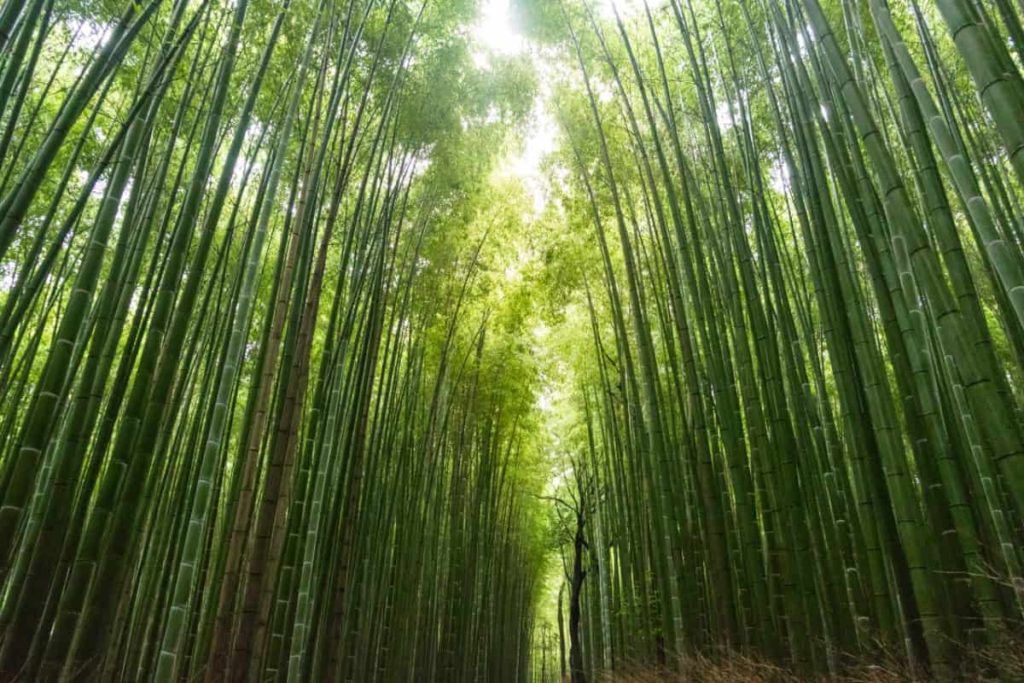
Bamboo has the power to bring equality and cleaner energy to Indonesia.
In the search for effective and sustainable supplies of renewable energy, bamboo as biomass has been recognised for its high production in the Indian state of Mizoram.
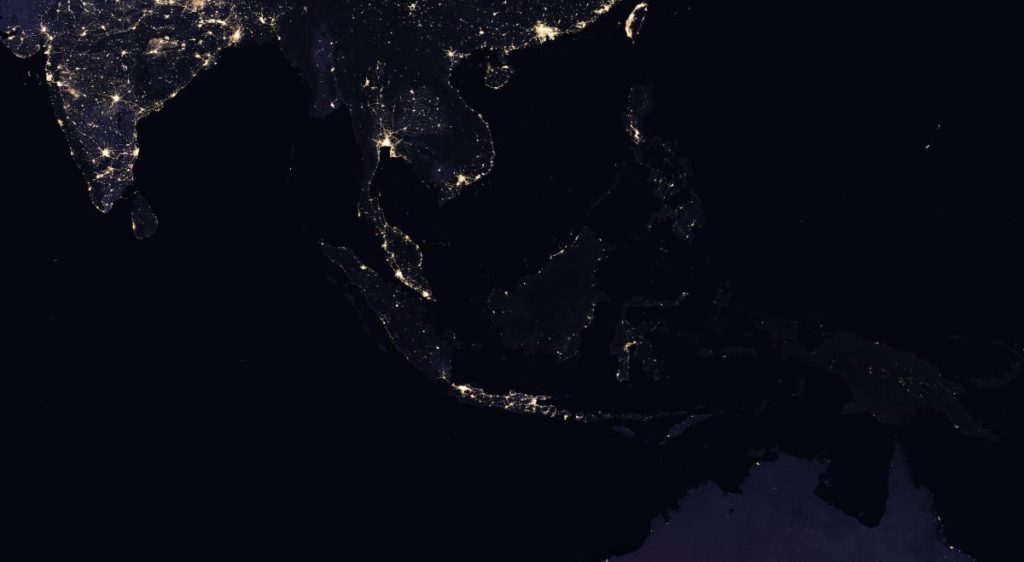
With India being the world’s second largest producer of bamboo behind China, and Indonesia following in third place, it is yet to achieve the attention it deserves as the next green gasoline (bioenergy) material.
Bamboo doesn’t share some of the biggest disadvantages of typical biomass energy materials. Wood- one of the biggest sources of biomass energy- can seldom match replanting efforts with that of felling rates.
Inevitably this then requires more land to cultivate on, and often leads to deforestation. Some species of bamboo however can mature at a rapid rate, growing over a meter a day.
Bamboo, best known by many as food for giant pandas, has been overlooked in the current climate change regime. Bamboos are missing from the Marrakech Accords definition of forests, as well as from IPCC Assessments and IPCC Guidelines for greenhouse gas inventories and reporting
Many advantages of bamboos, the current extent of bamboo forests, and a much larger area of potential distribution, would justify an amending the IPCC guidelines and/or adding specific methodology tools for bamboo
The amount of carbon that a forest loses due to tree replacement by bamboos equals the amount of carbon liberated through clear cutting of the forest.
While the amount of total litterfall remained mostly unchanged from intact forest to degraded, bamboo-dominated forest, the quality of litter decreased as bamboo litter proportion increased.
The replacement of trees by bamboos produces a cascade effect from the vegetation to the soil, implying that a disturbed forest is not delivering the same ecological service as a non-degraded forest.