6 pieces of plastic per breakfast per person X 146 double or twin rooms @ 80% occupancy based on a 12 month operation = A grand total of 512,460 individual pieces of plastic from this one hotel in a year….. just from breakfast cutlery and crockery
Intro Jo Hendrickx – living on the Canary Islands during the pandemic
Travel without Plastic
history
toolkit
workshops
webinars
Horrific example single use plastic
feedback
accessibility
partners
New Scientist – pandemic and increase in single use plastics
On the Advisory Committee of the Global Tourism Plastics Initiative – UNEP
Free e-learning on how to reduce plastic and keep staff and guests safe
Brought to you by the team behind Travel Without Plastic, the Greener Guest Learning Zone is a resource centre to help tourism businesses reduce single-use plastic and find more sustainable ways of doing business.
It’s designed to be a practical and fun way of bringing sustainability to life for everyone in the industry no matter what your role or where you work.
The free e-learning on how to reduce single-use plastic and keep staff and guests safe is particularly relevant to hotels and accommodation providers that wish to reduce waste whilst still meeting the hygiene expectations of guests.
It takes around 45 minutes to complete, and if you need to jump away half way through, your progress will be saved for when you return. A completion certificate is available at the end to all those who take the course.
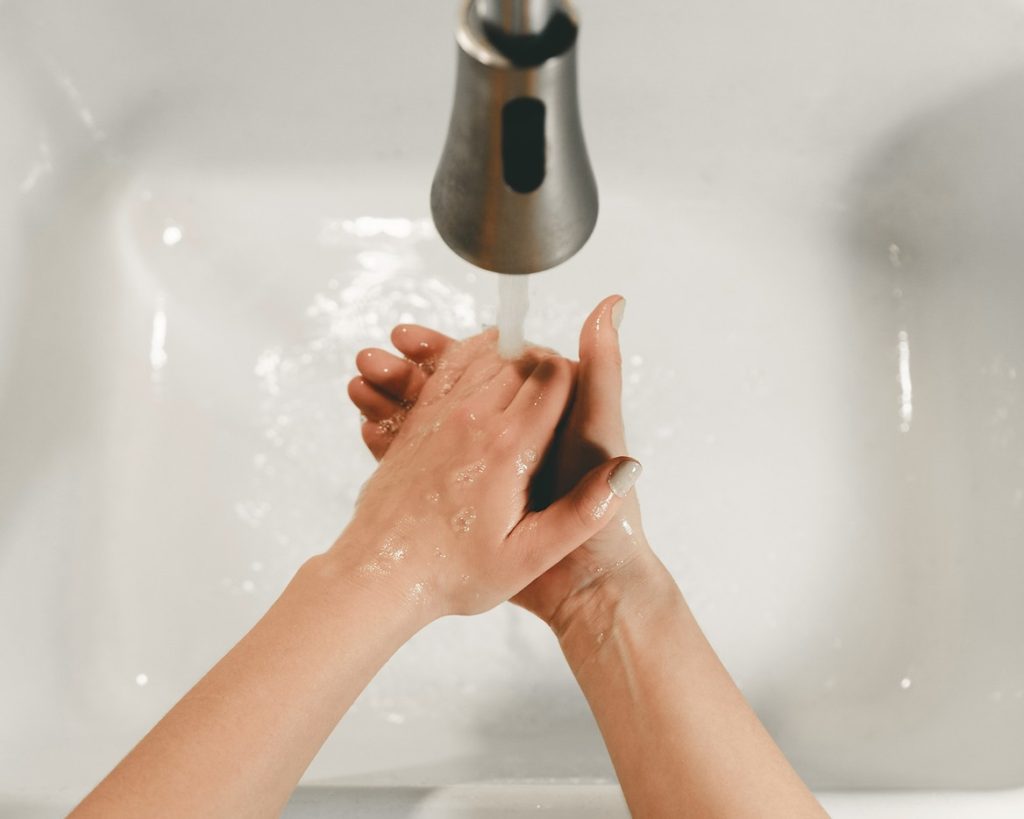
Plastic Gloves & Waste - How can you prevent the spread of infection without resorting to single-use
Plastic Gloves & Waste – How can you prevent the spread of infection without resorting to single-use
Many hotels that we know and work with are genuinely struggling right now to balance the prevention of the spread of infection with the prevention of waste. You gave in your blog an example of what happened:
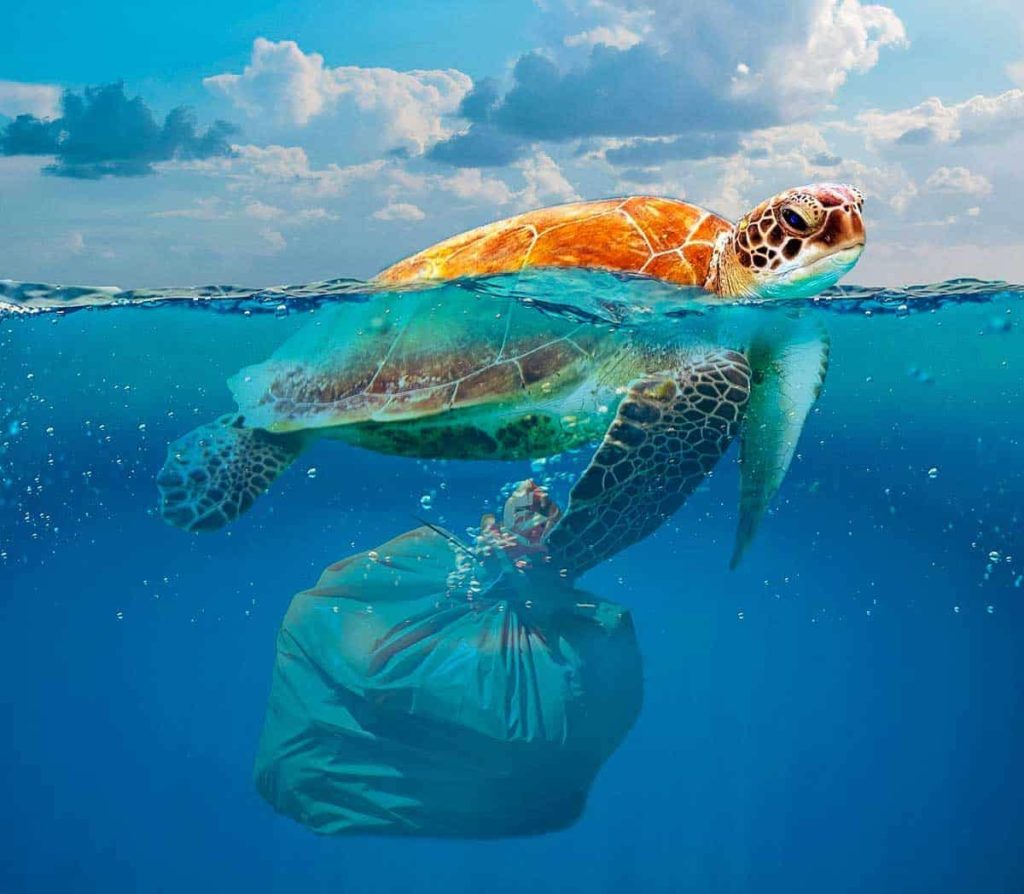
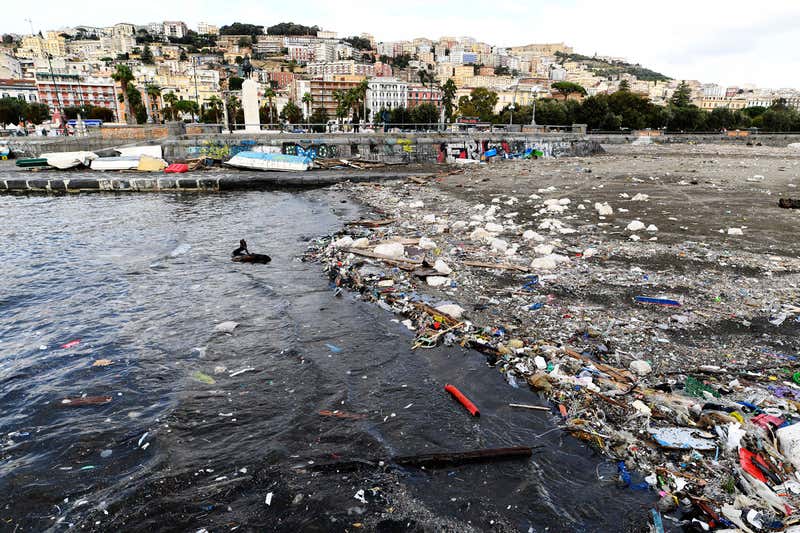
OCEAN PLASTICS: THE ECOLOGICAL DISASTER OF OUR TIME
Think about every toothbrush, every plastic razor, plastic bag or “disposable” water bottle, every straw, plastic cup…every shampoo bottle you’ve ever used. Every. Single. One.
Now consider that with an estimated lifetime of at least 450 years, plastic will outlive you as well as your great-great-great-great-grandchildren. At worst case – it will NEVER go away. As both the human population and plastic production continue to increase, we are all living now in our own plastic waste.
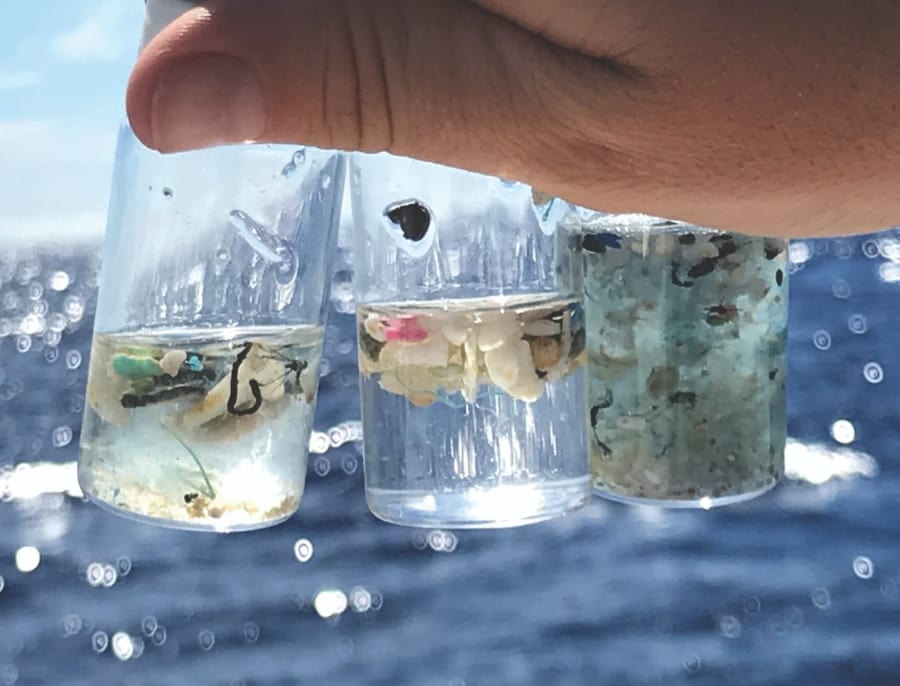
It is estimated that the ocean contains 5.25 trillion pieces of plastic while 99.9% of floating marine debris is plastic
Earth faces plastic pollution disaster unless we take drastic action
Now, a study has found that if the world undertook every feasible action to cut plastic pollution, we would still only manage to get rid of 78 per cent of it by 2040, compared with a business-as-usual scenario.
This momentous effort would still leave us with an extra 710 million metric tonnes of pollution. Does that make the whole thing hopeless?
‘We can stop the pollution at source’: Emily Penn, Exxpedition, on tackling ocean plastic
Penn “it’s not too late for the ocean”. She remains undeterred by negative thoughts while being sufficiently self-aware that her optimism has “idealism in there”. Ultimately, Round the World is a science expedition “designed to advance a better understanding of the plastics issue as a whole” and the further aim of “working with industry to pinpoint solutions and policy at a global level”.